


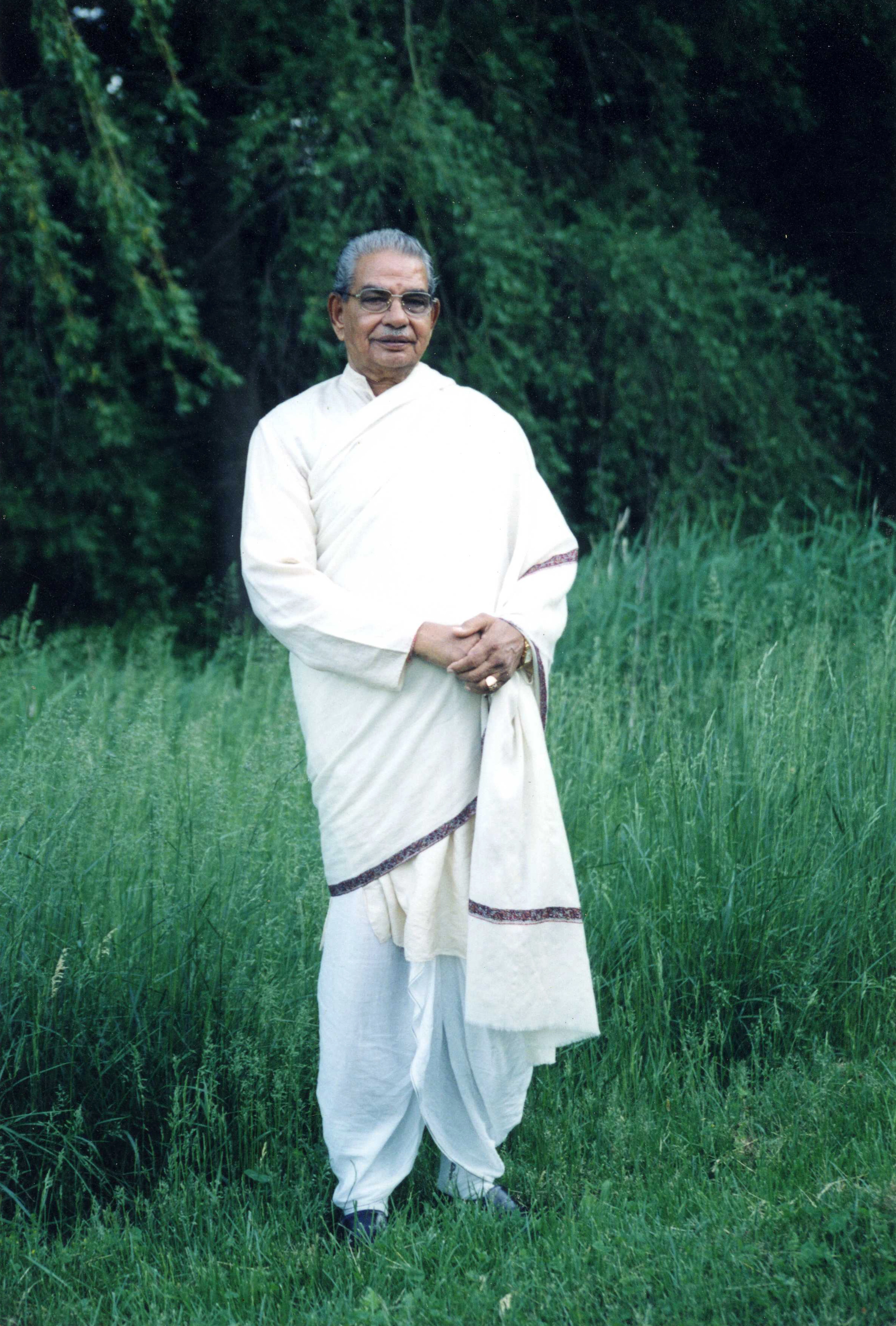
Artist Biography
OverviewThe Beginning
Born on 5 August 1924 in Nathdwara, Rajasthan, Bhavarlal Giridharilal Sharma, known as B. G. Sharma, grew up in a town where art and devotion were deeply intertwined. With a rich tradition of painting surrounding him, he was introduced to the art form at just five years old. Under the guidance of his father and grandfather, both traditional artists, he began learning the techniques that would shape his artistic journey.
Learning from Generations of Tradition
Sharma’s earliest lessons came from the artistic knowledge passed down through his family. His training introduced him to the discipline, techniques and visual traditions of Indian painting. Growing up in Nathdwara, with its established community of artists and its association with the Shrinathji temple, gave him an environment in which these traditions were part of everyday cultural life.
A New Chapter
In 1947, Sharma joined Sir J. J. School of Art in Bombay to explore contemporary artistic approaches and techniques. Although his time at the institution was brief, his move marked an important stage in his development. He soon established a publishing venture in Bombay, focusing on reproductions of his paintings and creating a way to bring his work before a wider audience.
Developing Signature Artistic Style
With a foundation in traditional painting, Sharma turned his attention to studying different schools of Indian art. Mughal, Kishangarh and Kangra painting traditions became important influences on his work, alongside Pichwai and miniature painting. Through his treatment of composition, design and ornamentation, he developed an individual style that carried the character of traditional Indian art while reflecting his own artistic vision.
Stories Told Through His Paintings
Sharma’s artistic world extended across devotional subjects, mythology and the natural environment. His paintings portrayed Radha and Krishna, Hindu gods and goddesses, scenes from the Ramayana and Mahabharata, battle scenes, landscapes, flora and fauna. Each subject connected his work to India's cultural heritage, allowing familiar stories, beliefs and imagery to find expression through his distinctive approach to painting.
From Nathdwara to the Art Galleries of India
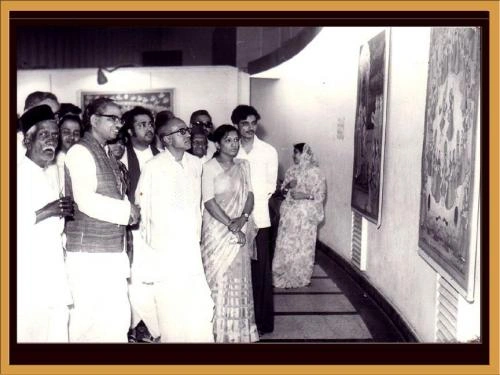
As his reputation grew, Sharma began presenting his work at recognised exhibition venues. His paintings appeared at the Jehangir Art Gallery in Bombay in March 1979 and Rabindra Bhawan in New Delhi in November that year. He subsequently exhibited at India House in London in 1980 and at venues in Udaipur, Baroda and Jaipur. These exhibitions brought his work to new audiences and established a wider platform for his interpretation of traditional Indian art.
His Art Crosses International Borders
Sharma’s journey continued beyond India through cultural festivals and international exhibitions. In July 1982, he attended the Aditi India Festival at London's Barbican Centre, where a painting measuring 50 by 50 inches received an enthusiastic response from visitors. The same work was later sent to New York for the Festival of India in 1985, extending the reach of his art across international audiences.
Creating Art for Important Public Figures
Sharma’s paintings also became part of significant cultural exchanges involving prominent public figures. In 1971, he presented a portrait to Prime Minister Indira Gandhi. In December 1980, at the request of the Government of India, he completed an ivory miniature of Queen Elizabeth II intended for Prince Charles. He also presented a painting to Australian Prime Minister Sir Malcolm Fraser during his visit to Udaipur in 1981.
An Indian Artist Recognised on the World Stage
In 1983, Sharma was selected to represent India in Cow Book, published in New York by Alfred A. Knopf. The publication brought together paintings by 25 leading artists from around the world, and Sharma’s work was chosen for inclusion. The book later received an award from the American Institute of Graphic Arts. This achievement marked a significant moment in the international recognition of his artistic contribution.
Recognition for a Lifetime of Craft
Sharma’s dedication to traditional painting earned him recognition from cultural institutions and the Government of India. He received a Merit Certificate from the Board of Handicrafts in 1980 and was selected for a fellowship in miniature painting in 1984. In April 1985, President Giani Zail Singh presented him with the National Award for Master Craftsman. These honours acknowledged the skill and commitment behind his work.
Taking Indian Art Beyond Exhibition Walls
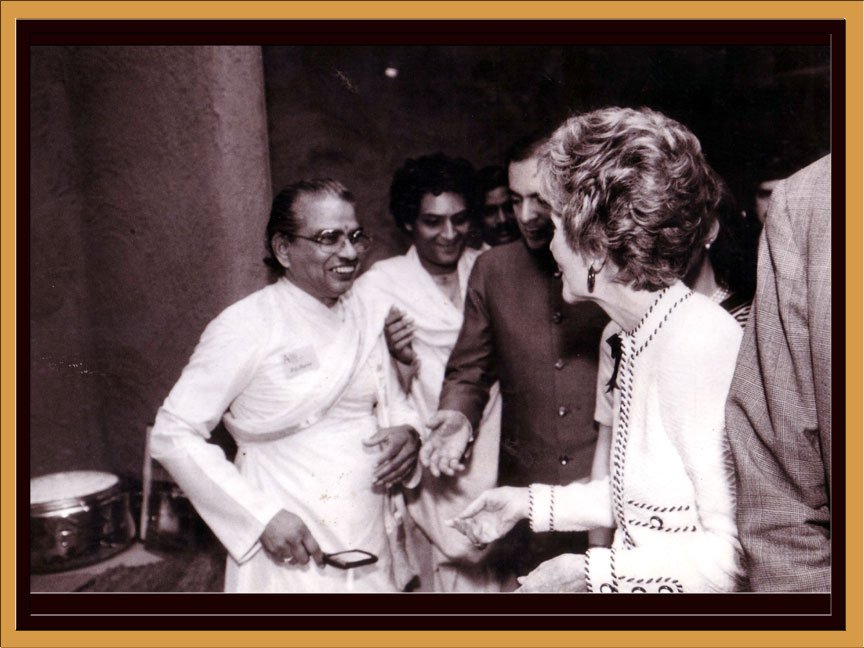
In 1985, Sharma participated in India's cultural promotion programme in West Germany, where he demonstrated his painting techniques in approximately 18 cities. He also travelled to Washington, D.C., to take part in the India Festival programme. Through these initiatives, his work became part of a broader effort to introduce international audiences to India's artistic traditions.
Passing the Art to the Next Generation
For Sharma, the continuation of traditional painting was an important part of his contribution. In October 1985, he began running a part-time Gurukul at his residence in Udaipur, providing further training in traditional art to five scholars. The initiative, associated with the Government of India and the Lalit Kala Akademi, created an opportunity for younger practitioners to develop their skills and continue learning within the tradition.
A Rare Connection with Shrinathji
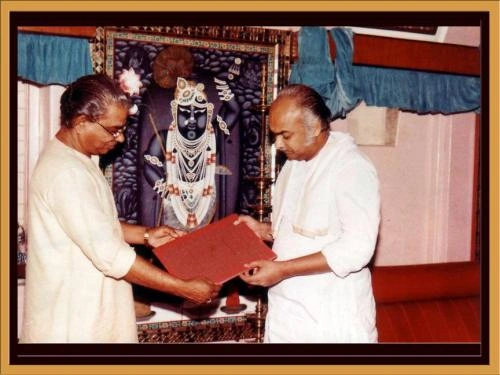
Despite his growing international recognition, Sharma remained closely connected to the artistic and devotional heritage of Nathdwara. His biography records that he received the rare privilege of entering the innermost chamber of the Shrinathji temple complex to create a live sketch of the deity. This experience represented a distinctive moment in a career shaped from childhood by the artistic culture of his hometown.
A Legacy That Reached Across Continents
Sharma’s paintings became part of collections in countries including Germany, France, the United States, Belgium, Switzerland, Japan, Italy, the Netherlands, Sri Lanka, Saudi Arabia and Kuwait. His work also received attention through television interviews, newspapers, magazines and art publications. The growing international presence of his paintings reflected the lasting appeal of his interpretation of traditional Indian art.
The Journey Continues Through His Art
B. G. Sharma passed away on 14 November 2007, leaving behind a body of work rooted in India's artistic traditions and shaped by his own creative vision. From his first lessons in Nathdwara to exhibitions across the world, his life traced a journey of learning, exploration and recognition. His paintings remain a testament to the enduring possibilities of traditional art and the artists who carry its knowledge into the future.
Remembering the Master Behind the Art
Beyond the awards, exhibitions and international recognition, B. G. Sharma’s story is one of a lifelong dedication to traditional Indian painting. From the lessons he received as a young boy in Nathdwara to the distinctive artistic identity he developed over decades, his journey reflected a deep connection with India's cultural heritage. His legacy lives on through the enduring beauty of his work, keeping the traditions he cherished alive for future generations.
Artist Gallery
Portfolio & Studio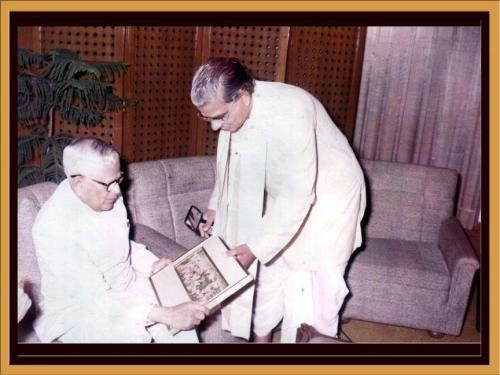
BG Sharma Image 2
BG Sharma Image 3
BG Sharma Image 4
BG Sharma Image 5
BG Sharma Image 6
BG Sharma Image 7
Selected Artworks
Portfolio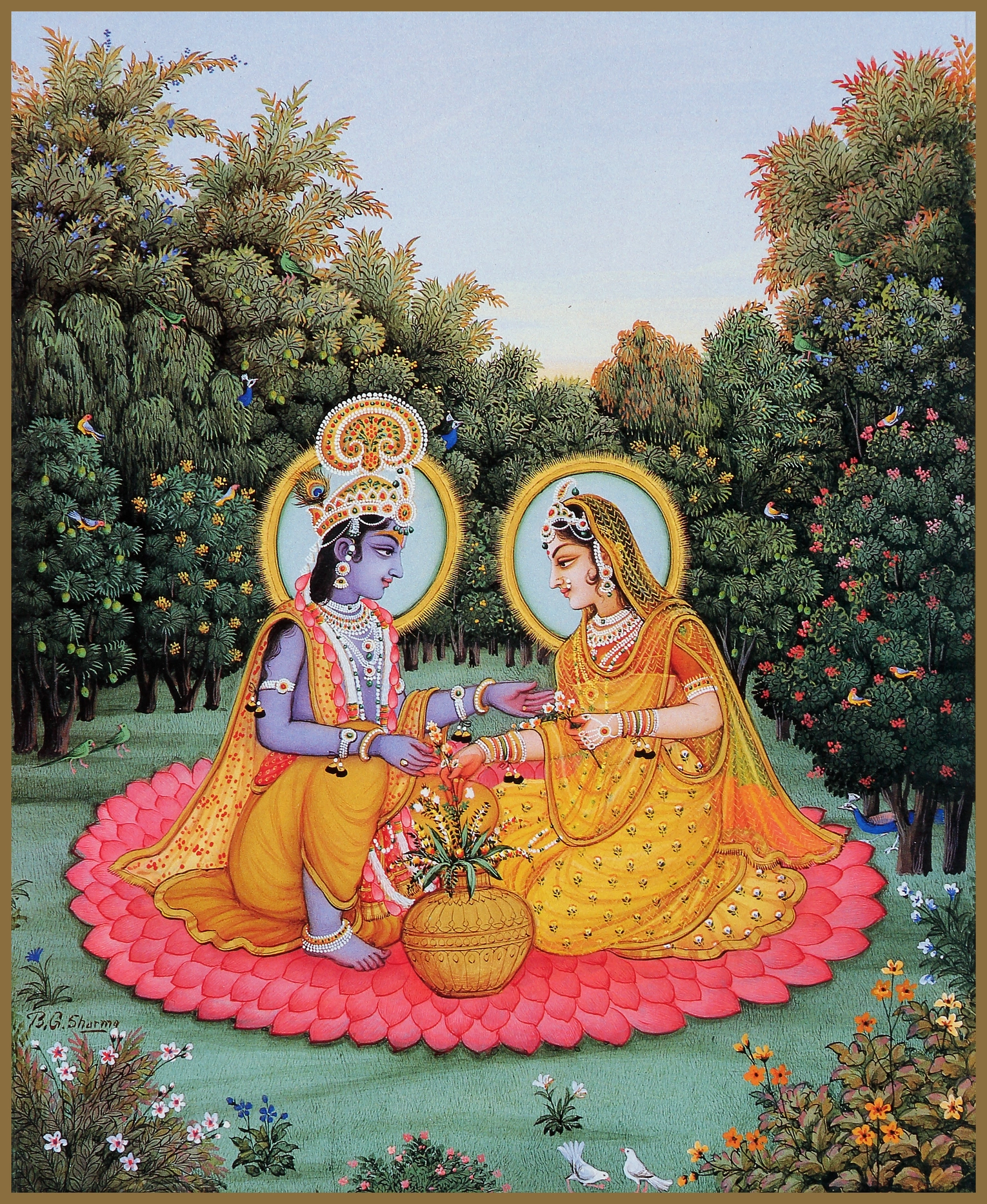
Radha Krishna Basant
- It is a long established fact that a reader will be distracted by the readable content of a page when looking at its layout.
- The point of using Lorem Ipsum is that it has a more-or-less normal distribution
- readable English. Many desktop publishing
- +1 more points...

Ganesh Ji Painting
- It is a long established fact that a reader will be distracted by the readable content of a page when looking at its layout.
- The point of using Lorem Ipsum is that it has a more-or-less normal distribution
- readable English. Many desktop publishing
- +1 more points...

Shree Nath Ji Painting
- It is a long established fact that a reader will be distracted by the readable content of a page when looking at its layout.
- The point of using Lorem Ipsum is that it has a more-or-less normal distribution
- readable English. Many desktop publishing
- +1 more points...
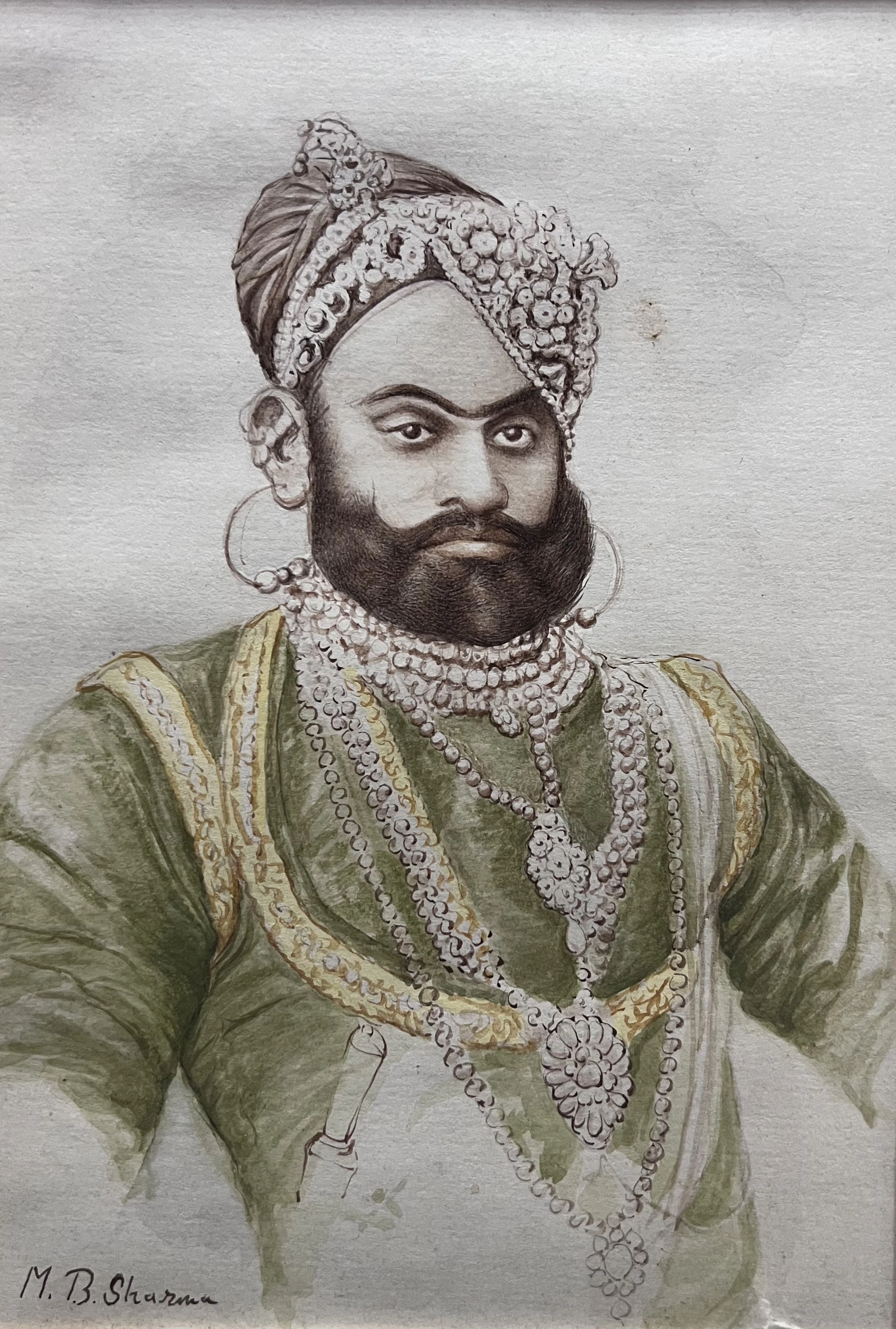
Royal King Painting
- It is a long established fact that a reader will be distracted by the readable content of a page when looking at its layout.
- The point of using Lorem Ipsum is that it has a more-or-less normal distribution
- readable English. Many desktop publishing
- +1 more points...
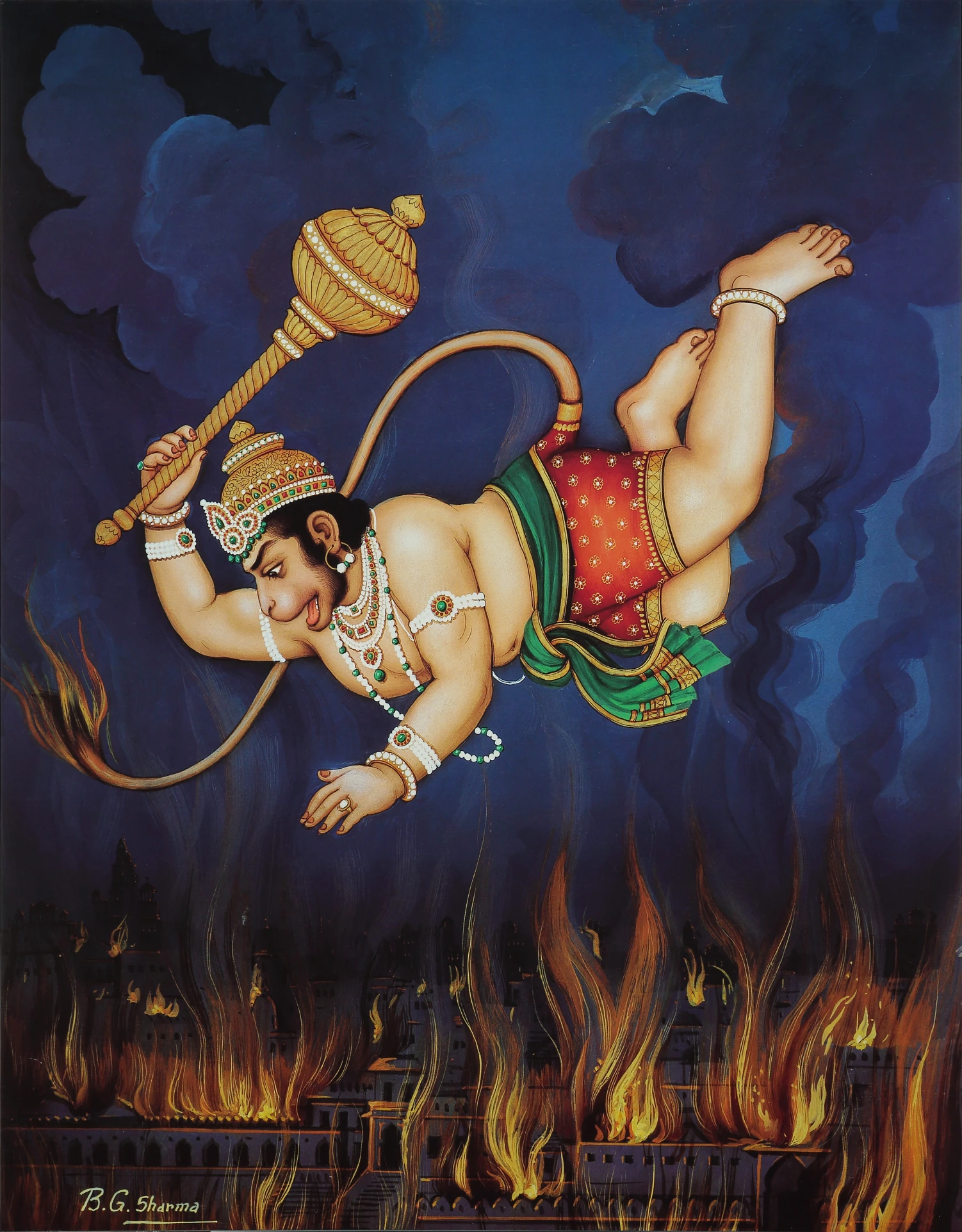
Hanuman Ji Painting
- It is a long established fact that a reader will be distracted by the readable content of a page when looking at its layout.
- The point of using Lorem Ipsum is that it has a more-or-less normal distribution
- readable English. Many desktop publishing
- +1 more points...
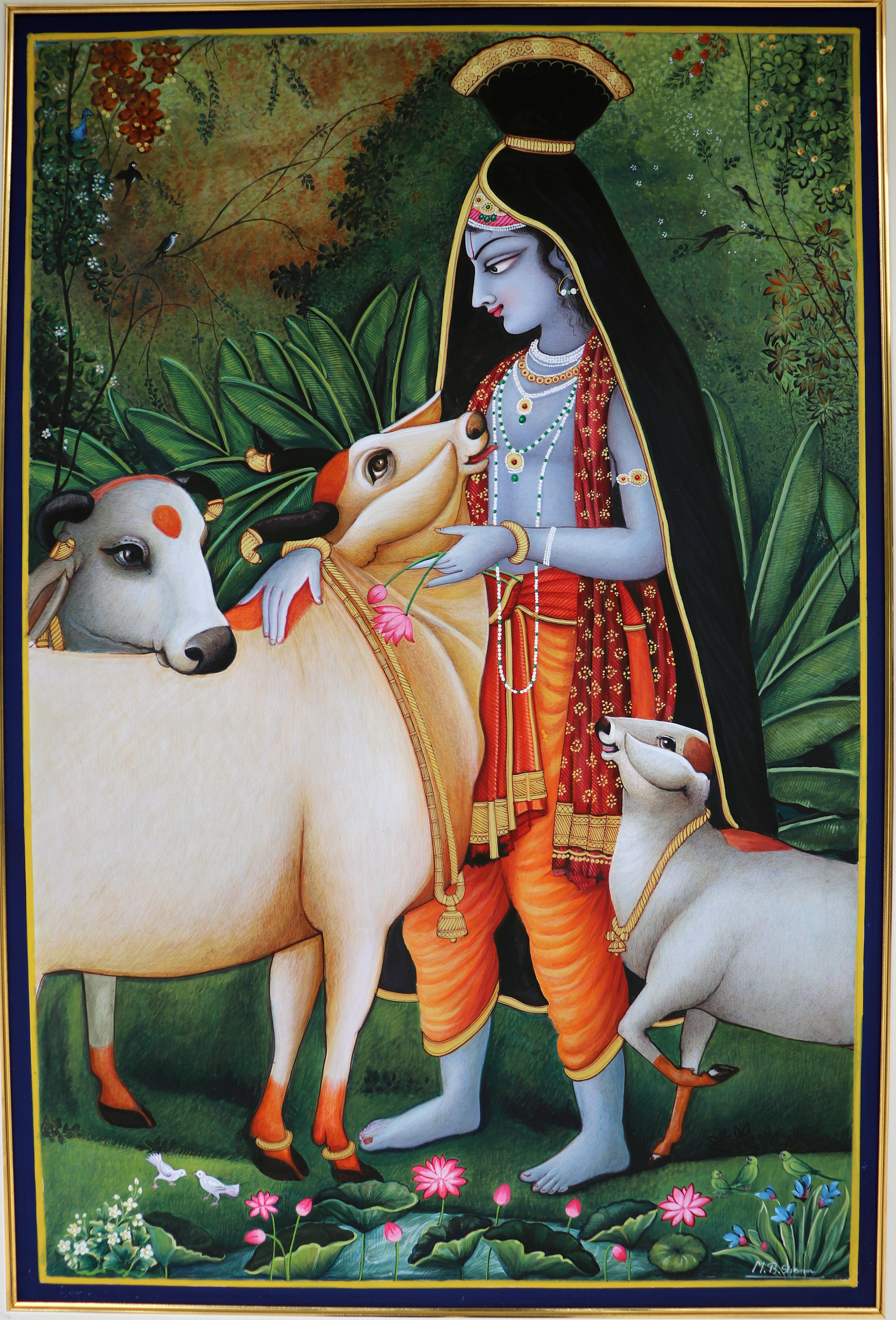
Krishna Painting
- It is a long established fact that a reader will be distracted by the readable content of a page when looking at its layout.
- The point of using Lorem Ipsum is that it has a more-or-less normal distribution
- readable English. Many desktop publishing
- +1 more points...